


By Lynette Gabrielle Taylor
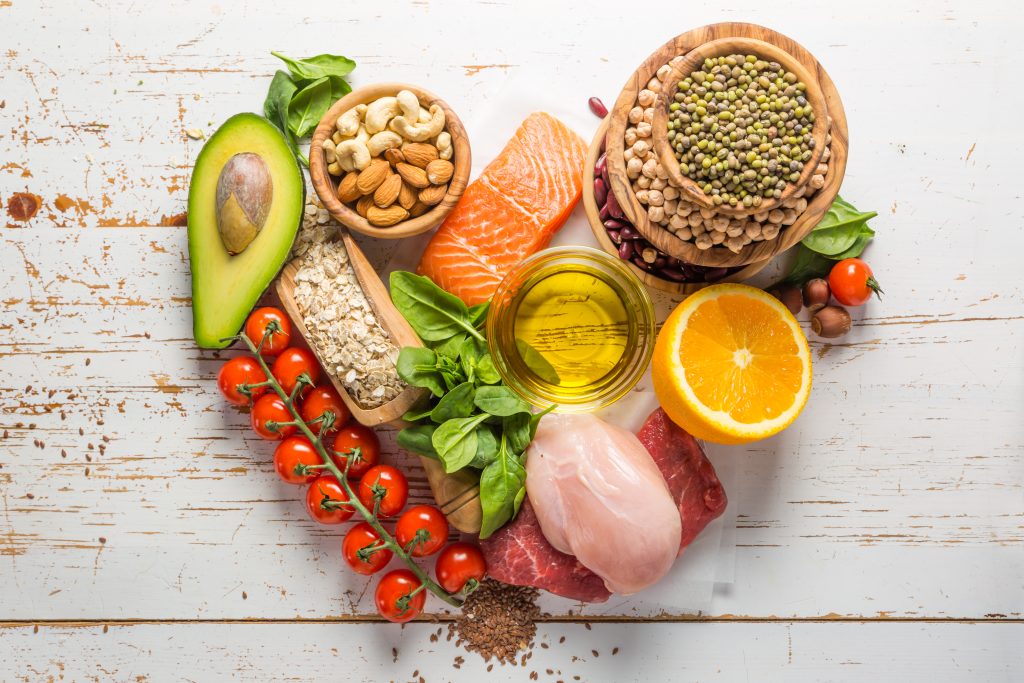
Enriched foods are those in which nutrients lost during processing are added back in. For example, wheat flour may have folic acid, riboflavin, and iron added back in after processing. Fortified foods, on the other hand, are foods to which nutrients are deliberately added to improve their nutritional quality.
For decades, the food industry has proudly flaunted “enriched” or “fortified” foods as a mark of health-conscious innovation—an answer to the depletion of nutrients in our diets. From breakfast cereals to bread, the addition of synthetic vitamins and minerals seems like a logical fix. But peel back the packaging, and you’ll find that this well-meaning practice might actually be doing more harm than good.
The enrichment of foods originated in the early 20th century, as public health officials noticed the devastating effects of nutrient deficiency diseases like Pellagra and Beriberi. Adding niacin, thiamine, riboflavin, and iron to processed grains undoubtedly saved lives.
However, what was once a targeted intervention for a serious public health crisis has morphed into a marketing gimmick—and a convenient excuse to strip real nutrition out of whole foods.
Let’s explore the potential dangers of enriched foods, especially when people rely on them as substitutes for whole foods. While enriched foods are designed to replace lost nutrients, they can have some unintended negative effects and shortcomings.
1. They create a false sense of healthfulness
Enriched foods can make processed foods seem “healthy” because they boast added nutrients (like folic acid, iron, or B vitamins). However, in reality, these foods often lack:
✅ Fiber
✅ Phytochemicals
✅ Other micronutrients in their natural forms
✅ Balanced nutrient interactions
The result? You might eat a lot of “enriched” foods while still missing out on crucial whole-food nutrition.
2. They can encourage overconsumption of processed foods
When foods like white bread, sugary cereals, or white rice are “enriched,” they still have the same refined carbohydrate load — spiking blood sugar and insulin. Over time, a diet heavy in refined, enriched foods can increase your risk of:
- Type 2 diabetes
- Obesity
- Heart disease
- Chronic inflammation
3. Synthetic forms of nutrients aren’t always optimal
Some enrichment nutrients are added in forms that aren’t as bioavailable or well-utilized by the body. For example:
- Folic acid (synthetic) vs. folate (natural) — some people have genetic variations (like MTHFR mutations) that make it harder to process folic acid properly.
- Iron fortification can sometimes cause gut issues or contribute to iron overload in those with genetic hemochromatosis.
4. Imbalanced nutrient profiles
Enriched foods usually don’t put back all lost nutrients, and the synthetic forms can create unnatural nutrient ratios, disturbing the synergy in whole foods. This can:
- Impair absorption of other nutrients (like excess iron interfering with zinc and copper balance).
- Miss out on the complex interactions between nutrients in whole foods (like the interplay of antioxidants and fiber).
- Consider white bread. In the refining process, the nutrient-rich germ and bran are removed, leaving behind a starchy product stripped of natural vitamins, minerals, and fiber. Enrichment restores only a fraction of what’s lost—leaving out a whole spectrum of micronutrients and phytochemicals found in whole grains.
Even more troubling is the illusion of safety that enrichment creates. Shoppers might choose an “enriched” product over a naturally nutrient-dense whole food, lured by the promise of added vitamins.
But synthetic fortification can’t replicate the complex matrix of nutrients, enzymes, and fibers in whole foods. Worse still, it diverts attention from the real issue: our reliance on processed, low-nutrient foods in the first place.
“Enrichment is like a nutritional band-aid
on a wound that was manufacturer created”
Enriched foods can help reduce severe deficiencies in populations that might not have access to diverse diets (like preventing anemia or neural tube defects with folic acid). But for most people, the real danger is mistaking enriched foods for truly nutritious whole foods.
The real solution isn’t enrichment—it’s rethinking what we eat. Whole, minimally processed foods naturally contain the broad spectrum of nutrients our bodies need, in forms they can actually use. Instead of chasing “enriched” products, we should be enriching our plates with vegetables, fruits, legumes, whole grains, nuts, and seeds.
So, next time you see a label boasting of enrichment, don’t be fooled by the big lie. Think about what was removed in the first place! Whole foods in their natural state — unrefined grains, fruits, veggies, legumes, nuts, seeds. Remember that true health doesn’t come from a laboratory—it’s grown in the soil, not cooked up in a factory.
A diet rich in whole grains, legumes, vegetables, fruits, and minimally processed foods will always be superior.
HEALTHY ALTERNATIVES TO ENRICHED FOODS:
Here’s a handy list of some common enriched foods with their healthier, whole-food alternatives:
1. Enriched white bread
✅ Enriched: Often enriched with iron and B vitamins, but stripped of fiber and other nutrients.
🌱 Better alternative: 100% whole grain bread (with whole wheat or sprouted grains for more fiber, minerals, and natural vitamins).
2. Enriched white rice
✅ Enriched: B vitamins and iron added back after refining.
🌾 Better alternative: Brown rice, wild rice, or quinoa for fiber, magnesium, and natural antioxidants.
3. Enriched breakfast cereals
✅ Enriched: Fortified with synthetic vitamins but often high in sugar.
🍓 Better alternative: Steel-cut oats, muesli, or homemade granola with nuts, seeds, and fruit.
4. Enriched pasta (white pasta)
✅ Enriched: Enriched with iron and B vitamins, but low fiber.
🥦 Better alternative: Whole grain pasta (whole wheat, spelt) or legume-based pasta (chickpea, lentil) for protein and fiber boost.
5. Enriched white flour
✅ Enriched: White flour used in many baked goods, enriched to meet basic requirements.
🌻 Better alternative: Whole grain flour (like whole wheat, rye, or spelt), almond flour, or coconut flour for more nutrients and fiber.
6. Enriched fruit juices
✅ Enriched: Often fortified with calcium or vitamin D, but still high in sugar.
🍊 Better alternative: Whole fruits or vegetable-based smoothies to get fiber and the natural matrix of nutrients.
7. Enriched “meal replacement” shakes
✅ Enriched: Fortified with synthetic vitamins/minerals.
🥗 Better alternative: Whole food meals — think leafy greens, legumes, nuts, seeds, colorful vegetables, and healthy protein.


